
 By Frances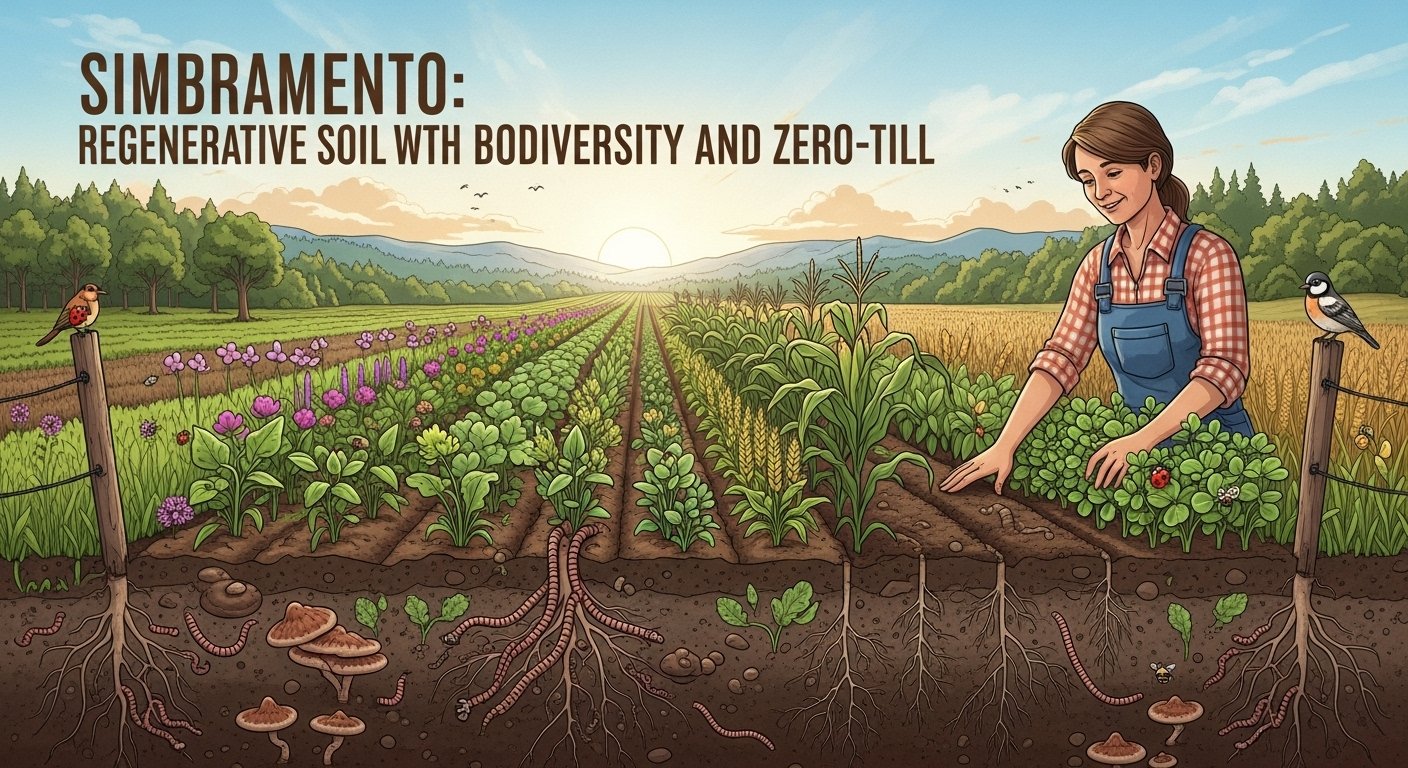
In a world where farming practices are under scrutiny, innovative methods are emerging to heal our planet and regenerate our soils. One such approach gaining attention is Simbramento. This technique not only focuses on the soil but also embraces biodiversity and minimizes disturbance through zero-till methods. Imagine transforming your garden or farm into a thriving ecosystem that nurtures plants, animals, and microbes alike. The journey of Simbramento takes us beyond traditional agricultural practices, inviting us to rethink how we grow food while giving back to the earth. Ready to explore this exciting method? Let’s dig deeper into what makes Simbramento a game-changer for farmers and gardeners everywhere.
What is Simbramento?
Simbramento is an innovative approach to soil management that champions biodiversity and sustainable farming. Rooted in the principles of permaculture, it emphasizes working harmoniously with nature rather than against it.
At its core, Simbramento encourages minimal soil disturbance through zero-till practices. This means farmers can grow crops without turning over the soil, preserving its structure and health.
The technique fosters a diverse ecosystem by integrating various plant species. These plants work together to enhance nutrient cycling and improve water retention.
By adopting Simbramento, growers aim not just for higher yields but also for healthier soils over time. As they cultivate their land using this method, they contribute positively to the environment while reaping benefits from richer harvests.
How Does it Work?
Simbramento operates on the principle of enhancing biodiversity while minimizing soil disturbance. Instead of traditional tilling, this method promotes zero-till practices. By leaving soil layers intact, beneficial microorganisms and nutrients thrive.
Cover crops play a crucial role in Simbramento. They protect the soil from erosion and provide organic matter as they decompose. This process enriches the soil structure over time.
Additionally, planting diverse species encourages natural pest control and pollination. Different root systems help aerate the ground, improving water absorption and retention.
As a result, farmers witness healthier plants with greater resilience to pests and diseases. This interconnected ecosystem fosters sustainability by reducing reliance on chemical fertilizers or pesticides.
Through these methods, Simbramento cultivates vibrant soils that can support varied plant life year after year without exhausting resources.
The Benefits of Simbramento
Simbramento offers a treasure trove of benefits for both soil health and ecosystem balance. By enhancing biodiversity, it creates resilient environments that thrive naturally. This method fosters a variety of plant species, which in turn supports different forms of wildlife.
Another significant advantage is the restoration of soil structure. With minimal disturbance from tilling, soil layers remain intact, promoting better water retention and nutrient availability. This boosts crop yields over time without depleting resources.
Moreover, Simbramento aids in carbon sequestration. As plants grow and decay, they capture atmospheric carbon dioxide and store it underground. This process contributes to climate change mitigation while enriching the soil.
Farmers also notice reduced erosion when implementing this technique. The diverse root systems help bind the soil together, reducing runoff during heavy rains. Healthier soils lead to healthier food systems—a win-win for everyone involved in agriculture or gardening efforts.
Success Stories from Farmers and Gardeners
Farmers and gardeners around the world are embracing Simbramento, experiencing remarkable transformations in their soil health. One example comes from a small organic farm in Brazil. After implementing this method, they noted an impressive increase in crop yields while reducing reliance on chemical fertilizers.
A home gardener in Italy shared her journey of revitalizing a barren plot by incorporating diverse plant species and utilizing zero-till practices. She found that native plants attracted beneficial insects, enhancing pollination and pest control.
In another instance, a vineyard owner transitioned to Simbramento techniques. The results were striking: healthier vines with deeper root systems led to richer flavors in the grapes.
These stories illustrate how Simbramento fosters resilience among various agricultural practitioners. It connects them through shared experiences of rejuvenating their land while promoting biodiversity for future generations to cherish.
Implementing Simbramento in your own garden or farm
Implementing Simbramento in your garden or farm can be an exciting venture. Start by assessing your soil quality and existing biodiversity. Understanding what lives beneath the surface is crucial.
Next, consider introducing diverse plant species. This could include cover crops, native plants, and legumes that fix nitrogen in the soil. These selections enhance nutrient cycling and improve resilience.
Employ zero-till methods to minimize disturbance of the soil structure. Use tools like a broadfork or no-till drill for planting seeds without turning over the earth.
Mulching helps retain moisture while adding organic matter as it decomposes. It creates a protective layer that benefits both plants and microorganisms.
Stay patient; results may take time to show up fully. Monitor changes in soil health regularly so you can adapt practices as needed for optimal growth and sustainability.
Challenges and Criticisms of Simbramento
Simbramento, while innovative, does face its share of challenges and criticisms. One significant concern is the initial investment required for transitioning to this method. Farmers may hesitate due to financial constraints or uncertainty about yields during the early stages.
Moreover, some skeptics question the long-term sustainability of biodiversity in managed systems. They argue that not all environments can support diverse plant life as effectively as natural ecosystems.
Additionally, there are technical hurdles. Training and knowledge gaps exist among farmers unfamiliar with zero-till practices. This learning curve can deter adoption despite potential benefits.
Climate variability poses risks; extreme weather events could disrupt established simbramento systems. Critics emphasize that adaptability is crucial but often overlooked in discussions about regenerative agriculture methods like this one.
Conclusion:
The world of agriculture is evolving, and Simbramento stands at the forefront of this transformation. By harnessing biodiversity and promoting zero-till practices, farmers can rejuvenate their soil and create thriving ecosystems. The advantages are clear: healthier crops, improved resilience to pests and diseases, reduced erosion, and enhanced carbon sequestration.
Farmers who have embraced Simbramento share inspiring stories of revitalized land and bountiful harvests. Their experiences encourage others to explore these sustainable techniques in their own gardens or farms. Yet, it’s crucial to acknowledge the challenges that come with adopting new methods—whether it be initial skepticism or navigating different climates.
As more people learn about Simbramento’s potential benefits for both soil health and food production sustainability, it has become evident that this approach might just hold the key to a greener future for agriculture. Embracing such innovative practices could lead us closer to achieving a harmonious balance between farming needs and environmental stewardship.