
 By Frances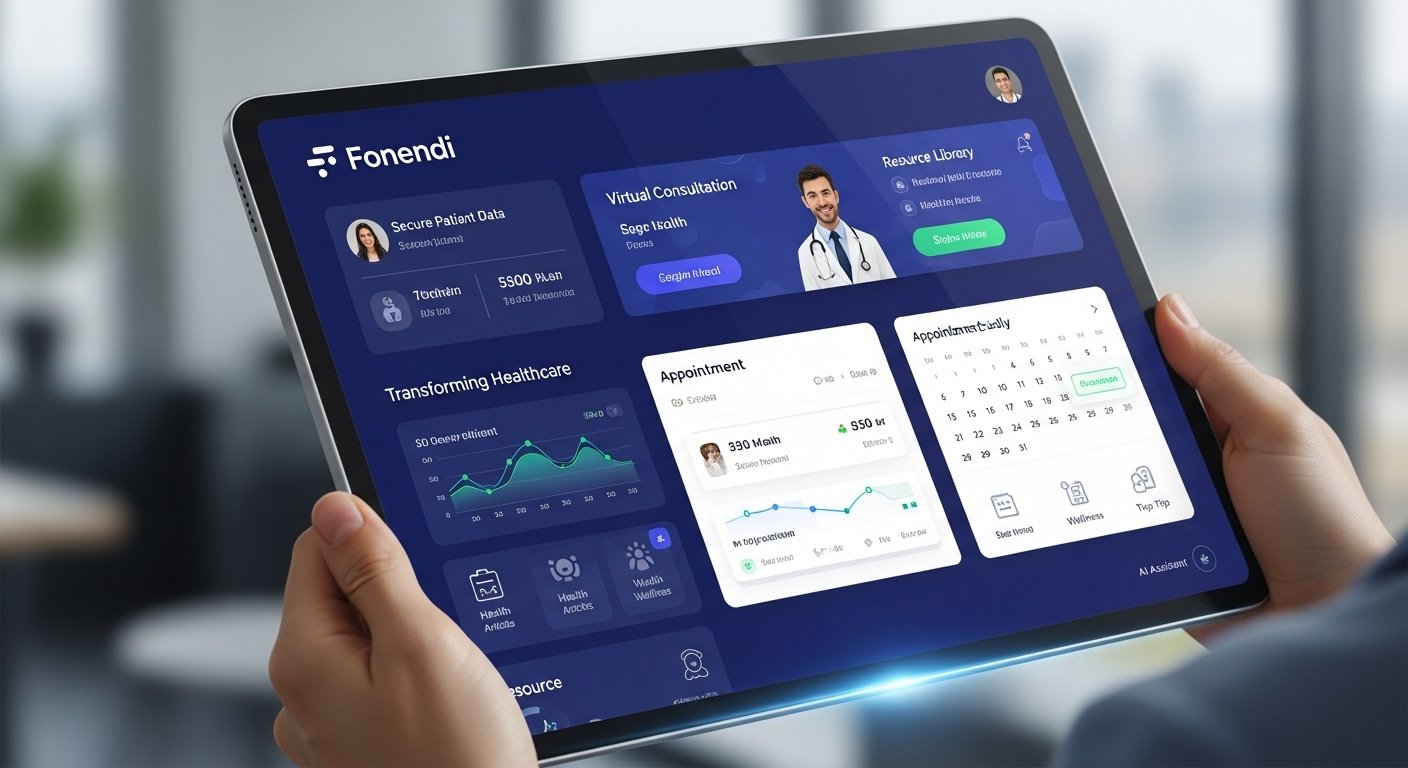
Healthcare technology has evolved rapidly over the past few decades, yet one area that has remained relatively traditional is auscultation—the practice of listening to internal body sounds, such as heartbeats, lung sounds, and bowel movements, to assess a patient’s health. While stethoscopes have been a symbol of the medical profession for over a century, their capabilities are largely limited to what the human ear can perceive. Enter Fonendi, an innovative digital platform and device designed to transform healthcare by modernizing auscultation and empowering medical professionals with advanced tools for accurate diagnosis and patient care.
The Need for Innovation in Auscultation
Auscultation is a fundamental skill in clinical practice. Physicians, nurses, and other healthcare professionals rely on it to detect abnormalities in heart rhythms, lung conditions, and other internal issues. Traditional stethoscopes, though iconic, have significant limitations:
-
Subjectivity: Diagnoses can vary depending on the experience and hearing ability of the practitioner.
-
Limited Documentation: Traditional stethoscopes do not record sounds, making it difficult to track patient progress or share findings for second opinions.
-
Accessibility Challenges: In remote areas or telemedicine scenarios, auscultation is often impossible without a trained professional on-site.
These limitations highlight the need for a modern, digital approach to auscultation—one that can enhance diagnostic accuracy, improve patient care, and expand access to healthcare services globally.
Introducing Fonendi
Fonendi is a revolutionary digital platform and device designed to address the challenges of traditional auscultation. Combining cutting-edge sensor technology with advanced software, Fonendi allows healthcare professionals to record, analyze, and share body sounds in a way that was previously impossible with analog tools.
At its core, Fonendi integrates three main components:
-
High-Precision Digital Stethoscope: Unlike traditional stethoscopes, Fonendi’s device captures clear, amplified body sounds with minimal background noise. It is designed to be user-friendly while maintaining clinical accuracy.
-
Cloud-Based Digital Platform: The platform stores and organizes patient auscultation recordings securely, allowing healthcare providers to track changes over time, consult with colleagues remotely, and integrate data into electronic health records (EHRs).
-
AI-Powered Analysis: Fonendi leverages artificial intelligence and machine learning algorithms to assist in identifying abnormal heart or lung sounds, providing early warnings and diagnostic suggestions that support clinicians’ decisions.
Key Features of Fonendi
Fonendi’s unique features set it apart from traditional and even other digital stethoscopes:
-
Real-Time Amplification: The device enhances subtle body sounds, making it easier to detect faint heart murmurs or lung irregularities.
-
Digital Recording and Playback: Practitioners can record sounds during patient examinations, replay them for further analysis, or share them securely with other specialists for second opinions.
-
Remote Collaboration: Fonendi supports telemedicine by enabling clinicians to review patient auscultation data remotely, making expert consultations possible even across continents.
-
Data-Driven Insights: AI algorithms analyze recorded sounds, detecting anomalies such as arrhythmias, murmurs, wheezing, or abnormal bowel sounds, assisting clinicians in making faster, more accurate diagnoses.
-
Integration with Healthcare Systems: Fonendi seamlessly integrates with EHRs and other medical software, ensuring that patient data is centralized and easily accessible for longitudinal care.
Impact on Healthcare
The introduction of Fonendi has the potential to profoundly impact healthcare delivery:
1. Enhanced Diagnostic Accuracy
Medical errors and misdiagnoses are significant challenges in healthcare, often due to human limitations in perceiving subtle clinical signs. By amplifying sounds and providing AI-assisted analysis, Fonendi reduces the subjectivity of traditional auscultation, enabling clinicians to detect conditions earlier and more accurately.
2. Telemedicine and Remote Care
The rise of telemedicine has created new opportunities for patient care but also highlighted limitations in remote physical examinations. Fonendi bridges this gap by allowing clinicians to receive high-quality auscultation data remotely. Patients in rural or underserved regions can now access expert evaluations without traveling long distances.
3. Education and Training
Fonendi is a valuable tool for medical education. Students can listen to a wide range of recorded heart and lung sounds, compare normal and abnormal cases, and receive feedback from instructors. This immersive, hands-on learning experience enhances clinical skills and prepares future healthcare professionals more effectively.
4. Patient Empowerment
With Fonendi, patients can be more involved in their own healthcare. Recorded auscultation data can be shared with patients, helping them understand their conditions and track progress over time. This transparency fosters trust between patients and clinicians while encouraging proactive health management.
5. Research and Population Health
Fonendi’s digital platform allows researchers to aggregate anonymized auscultation data, providing valuable insights into disease prevalence, progression, and response to treatment. Large-scale data collection can support public health initiatives, clinical studies, and the development of AI models for predictive healthcare analytics.
Case Studies and Real-World Applications
Several healthcare institutions have already begun integrating Fonendi into their workflows, reporting significant improvements in patient care:
-
Cardiology Clinics: Cardiologists have used Fonendi to detect early-stage heart murmurs and arrhythmias that were previously difficult to hear, improving timely intervention for patients.
-
Pediatric Care: In children, whose heart and lung sounds can be subtle, Fonendi’s amplification and AI analysis have helped reduce diagnostic errors and unnecessary hospital visits.
-
Remote Healthcare Programs: Rural clinics equipped with Fonendi devices have collaborated with urban specialists to manage chronic respiratory conditions and cardiac diseases, expanding access to expert care.
Challenges and Considerations
While Fonendi offers transformative potential, its adoption also presents challenges:
-
Cost and Accessibility: Advanced digital devices may be costly for smaller clinics or low-income regions. Ensuring affordability is crucial for widespread adoption.
-
Data Privacy and Security: Storing patient recordings digitally requires strict adherence to healthcare data protection regulations such as HIPAA. Fonendi must maintain robust cybersecurity measures.
-
Clinical Acceptance: Transitioning from traditional stethoscopes to digital platforms requires training and cultural adaptation among healthcare professionals.
Despite these challenges, the benefits of improved diagnostics, telemedicine support, and educational value make Fonendi a promising innovation in modern healthcare.
The Future of Fonendi
The trajectory of Fonendi suggests a future where digital auscultation becomes a standard part of clinical practice. Potential advancements include:
-
Integration with Wearables: Continuous monitoring of heart and lung sounds through wearable devices linked to Fonendi’s platform.
-
Enhanced AI Diagnostics: Improved machine learning algorithms capable of predicting disease risk based on subtle auscultation patterns.
-
Global Health Initiatives: Distribution of Fonendi devices to underserved regions, improving early detection and care for populations with limited access to healthcare.
By combining technology, AI, and clinical expertise, Fonendi represents a shift toward a more precise, connected, and accessible healthcare ecosystem.
Conclusion
Fonendi is more than just a digital stethoscope; it is an innovative platform redefining the way clinicians interact with patients’ internal body sounds. By bridging the gap between traditional auscultation and modern digital healthcare, Fonendi enhances diagnostic accuracy, supports telemedicine, improves medical education, and empowers patients. As healthcare continues to embrace digital transformation, Fonendi stands out as a prime example of how technology can make healthcare smarter, more efficient, and more inclusive.
The future of auscultation—and indeed, healthcare itself—is digital, data-driven, and patient-centered, and Fonendi is leading the way.