
 By Frances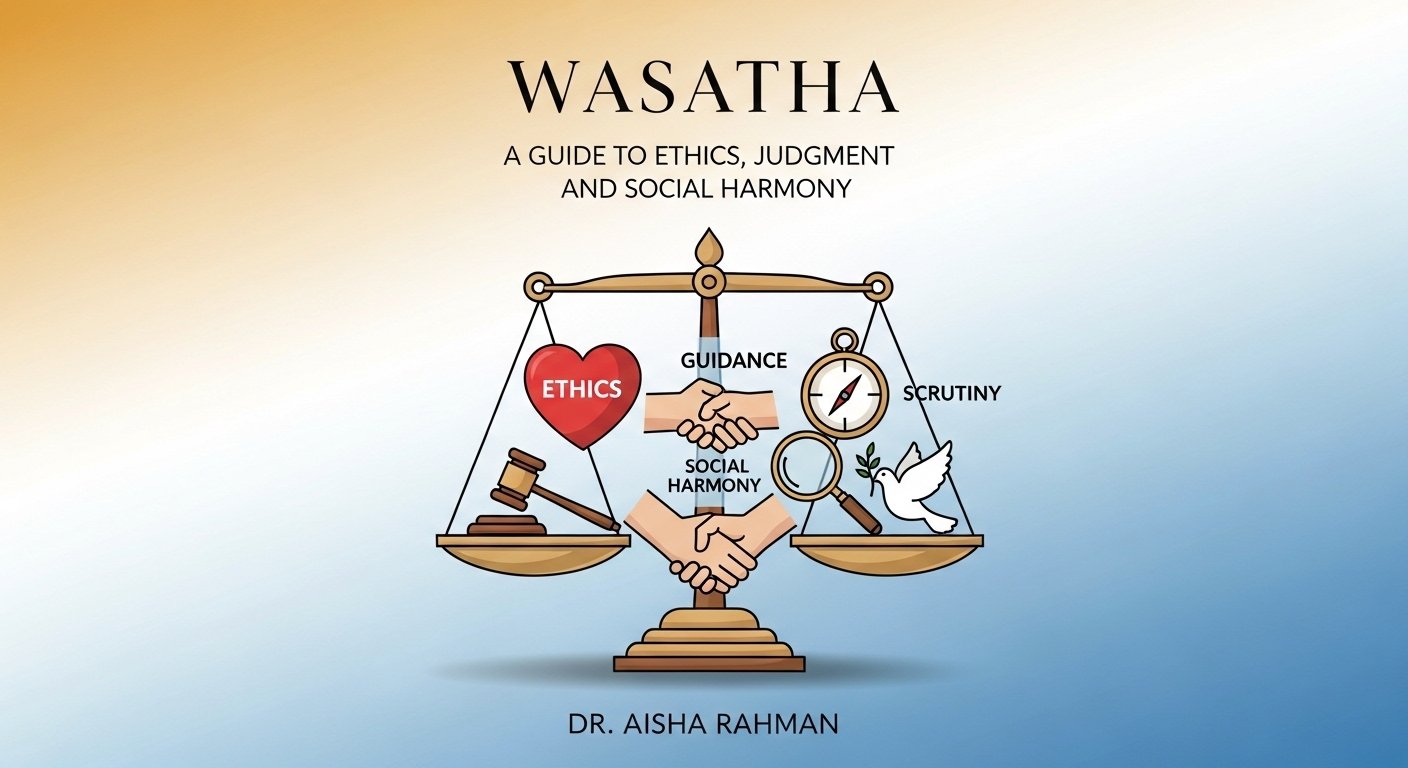
In a world often divided by differing opinions and values, the concept of Wasatha emerges as a beacon of hope. This ancient principle serves not only as a guide for ethical behavior but also as a pathway to social harmony. Rooted in rich cultural traditions, Wasatha encourages balance and moderation in our judgments and actions. As we navigate through life’s complexities, understanding these timeless teachings can empower us to foster connection rather than division. Join us on this exploration of Wasatha—a journey that promises insights into creating a more harmonious society while enriching our personal lives along the way.
Understanding Wasatha: Definition and Origins
Wasatha is a term derived from Arabic that embodies the essence of balance and moderation. It signifies a middle ground, steering clear of extremes in thoughts, actions, and judgments.
Historically, Wasatha has deep roots in Islamic teachings. The Quran emphasizes justice and fairness, urging followers to embrace equilibrium in all aspects of life. This principle transcends religious boundaries; it resonates with various cultures striving for ethical living.
The concept invites individuals to reflect on their values and choices. By advocating for harmony rather than discord, Wasatha encourages us to seek understanding amidst differences. This ancient wisdom remains relevant today as we face societal challenges demanding empathy and cooperation.
Embracing Wasatha can lead to richer dialogues and more meaningful connections among people from all walks of life.
The Principles of Wasatha
At the heart of Wasatha lies a commitment to balance. This principle encourages individuals to navigate life with moderation, avoiding extremes in thoughts and actions.
Equity is another core tenet. It emphasizes fairness in dealings, urging people to treat others justly regardless of differences. This fosters trust within communities.
Respect for diversity also plays a crucial role in Wasatha. Acknowledging varying beliefs and practices enriches societal interactions. Embracing this diversity creates an inclusive atmosphere where everyone feels valued.
Self-reflection is essential under Wasatha principles. Individuals are encouraged to evaluate their choices and intentions critically, promoting personal growth and ethical living.
These guiding concepts work together harmoniously, shaping a society rooted in mutual respect and understanding.
Applying Wasatha in Daily Life
Applying Wasatha in daily life can transform the way we interact with others. It encourages us to seek balance and fairness in our decisions, whether at work or home.
Start small. Practice patience when faced with conflicts. Instead of reacting impulsively, take a moment to consider all perspectives before responding.
Being mindful helps cultivate understanding. Listen actively to those around you; their viewpoints may surprise you and broaden your own understanding.
In relationships, embody kindness and respect. Treat everyone as equals, regardless of circumstances or backgrounds.
In professional settings, apply Wasatha by ensuring that your judgments are fair and not influenced by biases. This fosters an environment where collaboration thrives.
Engage in community activities that promote harmony and cooperation. Volunteering is a great way to bring people together while reinforcing the spirit of Wasatha throughout society.
The Role of Judgment in Wasatha
Judgment plays a crucial role in Wasatha, serving as the compass for ethical decision-making. It encourages individuals to weigh their actions against moral standards and communal values.
In this context, judgment is not merely about right or wrong; it entails understanding nuances. It requires empathy and foresight. Individuals must consider how their choices affect others while staying true to themselves.
Moreover, exercising good judgment fosters accountability. When people reflect on their decisions through the lens of Wasatha, they cultivate self-awareness and responsibility toward society.
This reflective process enhances personal growth and social cohesion. Wise judgments can bridge differences among community members, promoting dialogue rather than discord.
As individuals embrace this principle of Wasatha, they contribute positively to an environment where ethics thrive. The careful application of judgment ensures that harmony reigns over conflict in daily interactions.
Promoting Social Harmony Through Wasatha
Wasatha serves as a guiding principle for fostering social harmony in diverse communities. By encouraging balance and moderation, it fosters understanding among individuals from various backgrounds.
At its core, Wasatha emphasizes the importance of empathy. When people practice empathy, they are more likely to appreciate different perspectives. This appreciation can pave the way for collaboration rather than conflict.
Moreover, Wasatha encourages open communication. Dialogue becomes a powerful tool when discussions embrace respect and tolerance. It allows differing opinions to coexist peacefully.
In times of discord, Wasatha reminds us to seek common ground. Finding shared values can unite even the most polarized groups. Communities that embody this spirit often experience increased solidarity and cooperation.
By implementing these principles into everyday life, we create spaces where everyone feels valued and heard—essential components for lasting peace within society.
Challenges and Criticisms of Wasatha
Wasatha, while revered for its principles of balance and harmony, is not without challenges. One major criticism revolves around its interpretation. Different cultures may understand Wasatha in varying ways, leading to misunderstandings.
Furthermore, applying Wasatha can be difficult in polarized societies. People often cling to extreme views and struggle with the nuances that Wasatha advocates. This clash creates tension rather than fostering unity.
There are also concerns about practical implementation. Some argue that individuals may pay lip service to these values but fail to embody them in their actions or decisions.
As social dynamics evolve, traditional interpretations of Wasatha may seem outdated or irrelevant to younger generations. Adapting this ethical framework to address contemporary issues remains a significant hurdle for many communities engaging with it today.
Embracing the Values of Wasatha for a Better Society
Embracing the values of Wasatha can lead to profound changes in our society. This approach encourages individuals to seek balance, fairness, and understanding in their interactions. By integrating Wasatha into our daily lives, we foster a culture that prioritizes ethical behavior and mutual respect.
Imagine a community where judgment is based on empathy rather than prejudice. A place where decisions are made with consideration for all parties involved. When people adopt the principles of Wasatha, they create an environment conducive to cooperation and dialogue.
The journey toward a better society begins with each individual embracing these ideals. Whether it’s at work, home, or within broader social circles, practicing Wasatha promotes peace over conflict and harmony over discord. Small actions rooted in this philosophy can ripple outwards, influencing others positively.
As more people recognize the importance of balance and ethics through Wasatha, collective societal transformation becomes possible. The hope is not merely for coexistence but for genuine connection among diverse communities.
Striving towards these values offers everyone a chance to contribute meaningfully to their surroundings while benefiting from enriched relationships themselves. Embracing Wasatha isn’t just about personal growth; it’s about nurturing a thriving society where everyone has the opportunity to flourish together.