
 By Frances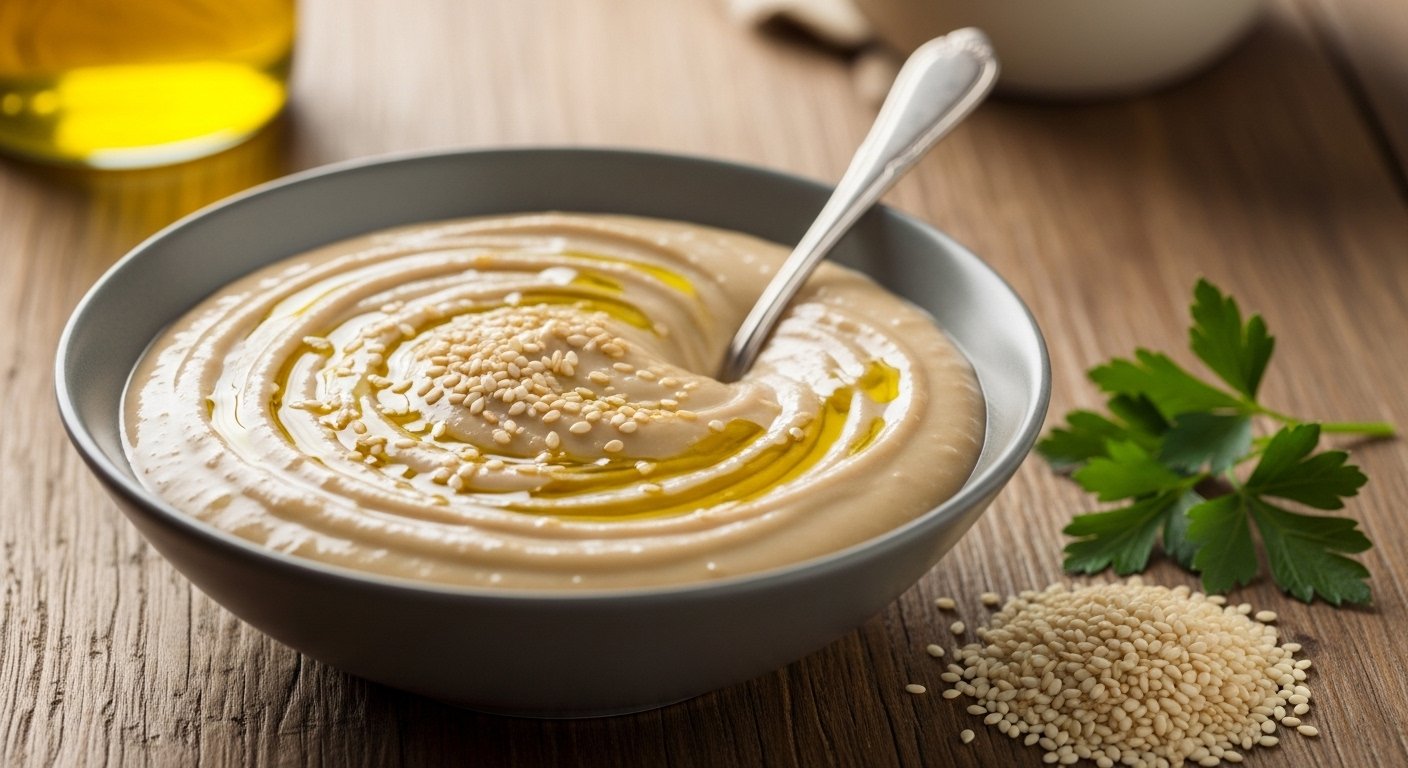
Have you ever encountered Tahini, the creamy and rich sesame paste that’s taking the culinary world by storm? If not, prepare to be enchanted! This versatile ingredient is more than just a staple in Mediterranean and Middle Eastern cooking; it’s a nutritional powerhouse that can elevate your meals. Whether you’re drizzling it over roasted vegetables or blending it into dressings, tahini brings depth and flavor to every dish. Join us as we explore this delightful paste’s history, benefits, uses in cooking, and even how to make your own at home. Get ready to discover why tahini deserves a prime spot in your kitchen!
The History and Origins of Tahini
Tahini’s roots trace back thousands of years, deeply embedded in Middle Eastern culture. Ancient civilizations, particularly the Egyptians and Greeks, cherished sesame seeds for their rich flavor and nutritional value.
The earliest records date as far back as 3000 BC. Archaeological findings show that sesame was cultivated in Mesopotamia long before it made its way into Mediterranean kitchens.
In the modern era, tahini has become a staple in various cuisines globally. From hummus to baba ganoush, this creamy paste continues to bridge culinary traditions across continents.
Its rise gained momentum during the mid-20th century when health trends highlighted plant-based diets. As people sought alternatives packed with nutrients, tahini emerged as a beloved ingredient among food enthusiasts everywhere.
Today, whether slathered on bread or drizzled over salads, tahini is celebrated not just for its taste but also for its cultural significance throughout history.
Nutritional Benefits of Tahini
Tahini is more than just a tasty spread; it’s packed with essential nutrients. This creamy sesame paste is an excellent source of healthy fats. These fats are vital for heart health and overall wellness.
Rich in protein, tahini provides a substantial boost for those on plant-based diets. It helps support muscle growth and repair while keeping you satiated longer.
Vitamins and minerals abound in tahini as well. It contains significant amounts of calcium, which is important for bone health, and magnesium, crucial for various bodily functions.
Antioxidants found in tahini can help combat oxidative stress. This contributes to better skin health and may reduce inflammation throughout the body.
With its impressive nutrient profile, incorporating tahini into your meals can enhance both flavor and nutrition effortlessly.
Versatile Uses of Tahini in Cooking
Tahini is a game-changer in the kitchen. Its creamy texture and nutty flavor make it ideal for various dishes. Use it as a base for salad dressings, mixing it with lemon juice, garlic, and olive oil. This creates a zesty topping that livens up any greens.
In baking, tahini can replace butter or oil to add moisture and richness to cookies and cakes. Imagine the delightful surprise of sesame notes in your favorite treats!
It also shines in savory dishes like hummus or baba ganoush, where its smooth consistency enhances overall creaminess. Stir it into soups or stews for an added layer of depth.
Don’t overlook breakfast—swirl some tahini into oatmeal or yogurt bowls for extra nutrition. The options are endless; creativity is your only limit when using this versatile ingredient!
How to Make Your Own Tahini at Home
Making your own tahini at home is surprisingly simple. Start with raw sesame seeds; a cup is a good amount to begin with.
Toast the seeds in a dry skillet over medium heat for about 5-7 minutes. Keep an eye on them, stirring occasionally until they turn golden brown and fragrant. This step enhances the flavor.
Once toasted, let the seeds cool slightly before transferring them to a food processor. Blend them for about 1-2 minutes until they start to break down.
Scrape down the sides as needed, then add a tablespoon of neutral oil like grapeseed or light olive oil if you prefer creaminess. Continue blending until you achieve that smooth texture characteristic of tahini.
Adjust consistency by adding more oil or water if necessary, and enjoy your homemade delight in dips or dressings!
Popular Recipes Featuring Tahini
Tahini adds a delightful creaminess to many dishes. One popular recipe is tahini sauce, perfect for drizzling over roasted vegetables or grilled meats. Just blend tahini with lemon juice, garlic, and water for a zesty finish.
Another favorite is hummus. Combine chickpeas, garlic, olive oil, and tahini in a food processor for a rich dip that pairs well with pita bread or fresh veggies.
If you’re looking for something sweet, try tahini cookies. The nutty flavor enhances traditional cookie recipes while adding depth to your dessert table.
For breakfast lovers, mix tahini into oatmeal or smoothies. It provides healthy fats and protein to kickstart your day on the right note.
These versatile recipes highlight how tahini can elevate both savory meals and sweet treats alike!
Alternative Options for Those with Dietary Restrictions
For those with dietary restrictions, tahini can still be a delightful addition to meals. If sesame allergies are a concern, sunflower seed butter is an excellent substitute. It offers a similar creamy texture and nutty flavor.
Nut-free diets may benefit from pumpkin seed paste or almond butter as alternatives. Both provide healthy fats while maintaining that rich consistency in recipes.
Vegans looking for plant-based options will find that tahini fits perfectly into their diet. However, if seeking something different, cashew cream can mimic its richness beautifully.
Gluten-free eaters don’t need to worry either; tahini itself is gluten-free. Just ensure other ingredients used alongside it also meet gluten-free standards for safety and enjoyment in culinary adventures.
Exploring these alternatives allows anyone to enjoy the benefits of nutrient-dense pastes without compromising on taste or health needs.
Conclusion and Encouraging Readers to Incorporate Tahini into their Diets
Tahini is more than just a creamy condiment; it’s a powerhouse packed with nutrients that can elevate your meals. From its rich history to modern-day uses, tahini has made its mark in kitchens around the world. Whether you’re drizzling it over salads, blending it into smoothies, or using it as a base for dressings and dips, this sesame paste offers endless possibilities.
If you haven’t yet tried incorporating tahini into your diet, now is the perfect time to start. Experimenting with this versatile ingredient can lead to delightful culinary discoveries. Not only does tahini add depth and flavor to dishes, but its health benefits make it an excellent choice for those looking to enhance their nutrition.
Explore different recipes featuring tahini or even try making your own at home. The process is simple and rewarding! With various options available for different dietary restrictions, there’s no reason not to enjoy this nutrient-dense food.
So go ahead—embrace the creaminess of tahini and let it transform your meals into something truly special. Happy cooking!