
 By Frances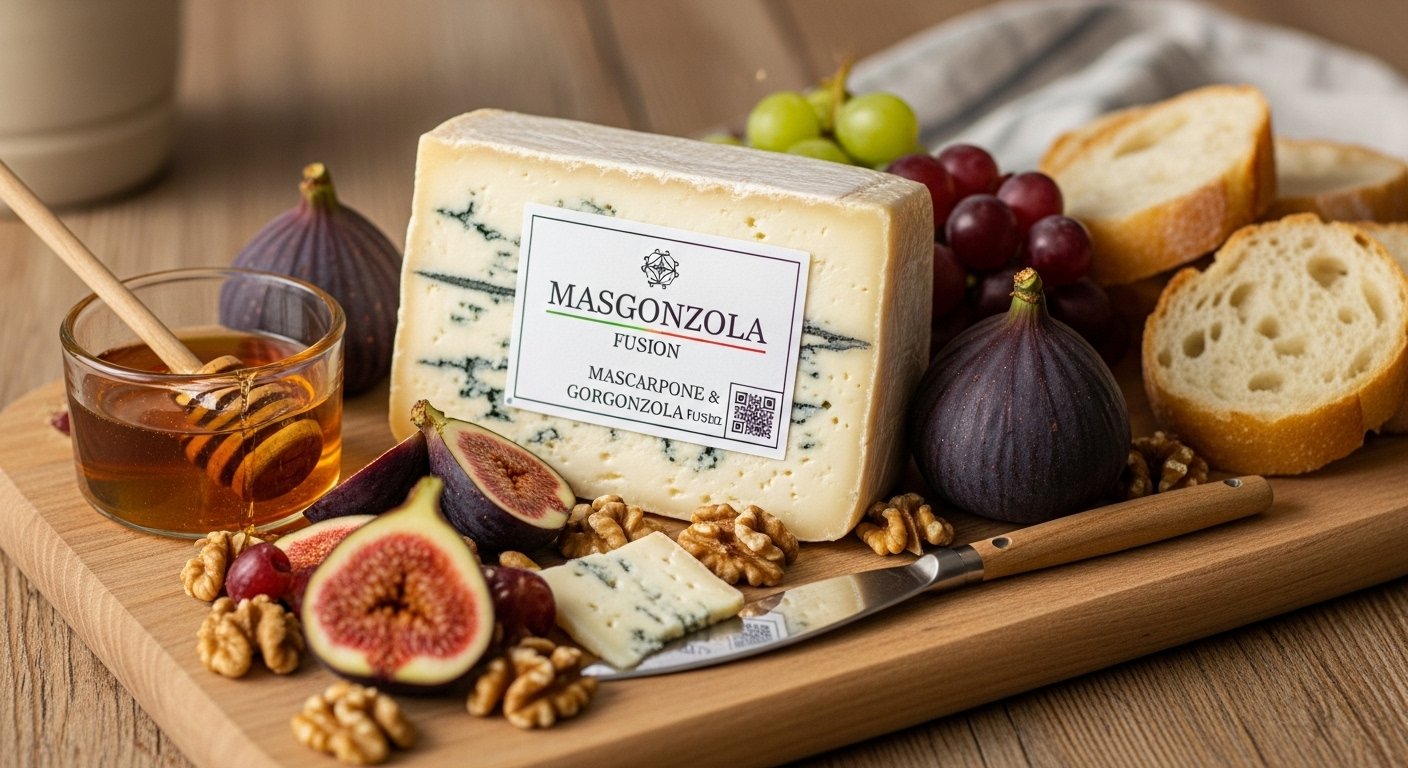
Masgonzola, sometimes referred to as Mascarpone-Gorgonzola, is an Italian cheese blend that has been quietly capturing the hearts and taste buds of cheese lovers around the world. Combining the rich, buttery smoothness of mascarpone with the tangy, pungent punch of gorgonzola, Masgonzola is a culinary creation that balances contrasting flavors to perfection. It is a cheese that not only delights the palate but also offers versatility in cooking, pairing, and serving, making it a favorite among chefs and home cooks alike.
The Origins of Masgonzola
Masgonzola is a relatively modern concept in the long and storied history of Italian cheesemaking. Italy has long been famous for its wide variety of cheeses, from the soft, creamy mascarpone used in desserts like tiramisu, to the robust, blue-veined gorgonzola, a staple of Italian savory cuisine. The idea of blending these two cheeses likely originated from a desire to soften gorgonzola’s intense flavor while still preserving its characteristic tang and complexity. The result is Masgonzola, a cheese that marries the best qualities of both parents into a harmonious whole.
Mascarpone itself dates back to the late 16th century in the Lombardy region of Northern Italy. Traditionally made from cream, mascarpone is smooth, creamy, and mildly sweet, making it perfect for desserts and creamy sauces. Gorgonzola, on the other hand, is one of the world’s oldest blue cheeses, first documented in the town of Gorgonzola near Milan around the 9th century. Known for its sharp, tangy, and sometimes spicy flavor profile, gorgonzola is usually crumbled or melted into dishes to provide depth and character.
By combining mascarpone and gorgonzola, cheesemakers created a product that tempers the assertive nature of blue cheese with a creamy, mellow texture, producing a cheese that is approachable even for those who might find gorgonzola alone too strong.
Flavor Profile: A Perfect Balance
The magic of Masgonzola lies in its flavor. When tasting it, the first sensation is the smooth, creamy texture inherited from mascarpone. This creamy base coats the palate and provides a rich, luscious mouthfeel. Beneath this creamy layer, the gorgonzola asserts itself with its signature tang and slightly spicy notes. The result is a flavor that is complex yet balanced — neither overwhelmingly sharp nor overly mild.
Unlike gorgonzola alone, which can be polarizing due to its pungency, Masgonzola offers a gentler introduction to blue cheeses. It allows the subtleties of gorgonzola to shine while maintaining a creamy, indulgent consistency. This makes it incredibly versatile, able to be enjoyed on its own, as part of a cheese platter, or incorporated into a wide range of dishes.
Culinary Uses of Masgonzola
Masgonzola is a dream ingredient for anyone who loves experimenting in the kitchen. Its unique flavor profile lends itself to both sweet and savory applications, giving chefs and home cooks a wide canvas for creativity.
1. Cheese Boards and Appetizers
Masgonzola is ideal for cheese boards, where its creamy texture and tangy flavor provide contrast to crackers, bread, fruit, and cured meats. Pair it with honey, figs, pears, or walnuts to highlight its nuanced flavor. Spreadable and soft, it is perfect for crostini or bruschetta toppings, creating an elegant starter that is simple yet impressive.
2. Pasta and Risotto
In Italian cuisine, Masgonzola can transform simple pasta or risotto into a rich and flavorful dish. Stirred into hot pasta with a little cream or butter, it melts beautifully, coating each strand with a silky, tangy sauce. In risotto, Masgonzola adds depth and creaminess, turning a humble rice dish into a luxurious treat.
3. Sauces and Dressings
Masgonzola can also be used in sauces for meats, vegetables, or even seafood. Its creamy consistency allows it to integrate easily into sauces, while its tangy notes enhance savory flavors. A Masgonzola cream sauce over steak, chicken, or roasted vegetables can elevate a simple dinner to restaurant quality.
4. Baking and Pizza
For pizza enthusiasts, Masgonzola is a unique alternative to traditional cheeses. Spread a thin layer on pizza dough and pair it with caramelized onions, pears, or arugula for a gourmet twist. It can also be baked into puff pastry or stuffed into savory tarts, where the combination of creamy and tangy creates a flavor explosion.
5. Desserts
Surprisingly, Masgonzola can even work in desserts. Its creamy mascarpone base lends itself to sweet applications, while the gorgonzola adds a subtle complexity. Think mascarpone-style cheesecake with a hint of blue cheese, or pairing small amounts with honey and fruit for an unexpected gourmet treat.
Pairing Masgonzola with Wine and Drinks
Like all cheeses, Masgonzola shines when paired with the right beverages. Its creamy and tangy profile pairs beautifully with wines that can balance or complement its flavors. Sweet or fruity white wines, such as Riesling or Gewürztraminer, can counteract the tanginess and bring out the creamy sweetness. For red wine lovers, a light-bodied red like Pinot Noir works well, providing subtle fruit notes without overwhelming the cheese.
For a non-alcoholic option, sparkling water with a twist of lemon or apple juice can help cleanse the palate between bites, allowing the complex flavors of Masgonzola to shine.
Storage and Serving Tips
Masgonzola should be stored in the refrigerator, ideally in an airtight container or wrapped in parchment and then loosely in foil. This helps maintain its creamy texture while preventing it from absorbing other strong odors from the fridge. Before serving, let it sit at room temperature for 20–30 minutes; this allows the flavors to fully develop and the texture to become soft and spreadable.
When serving, consider slicing, crumbling, or simply spreading Masgonzola depending on the dish. Its versatility means it can take center stage on a cheese platter or serve as a luxurious complement to other ingredients in a recipe.
Why Masgonzola is Gaining Popularity
Masgonzola has been steadily growing in popularity, especially among food enthusiasts looking for new and exciting flavors. Its appeal lies in its balance: it introduces the boldness of blue cheese in a way that is approachable, creamy, and indulgent. It also caters to the trend of fusion and experimentation in modern cuisine, allowing chefs to combine traditional Italian techniques with creative twists.
Additionally, Masgonzola’s ability to work in both savory and sweet applications makes it a favorite for those who appreciate multi-functional ingredients. Whether you are a professional chef, a home cook, or simply a cheese lover, Masgonzola offers endless possibilities to explore.
Conclusion
Masgonzola, the delightful union of mascarpone and gorgonzola, is more than just a cheese—it’s a culinary experience. Its creamy texture and balanced tangy flavor make it versatile, approachable, and indulgent. Whether spread on a crostini, melted into pasta, incorporated into a sauce, or enjoyed on a cheese board, Masgonzola demonstrates the magic of blending tradition with innovation.
For anyone who loves exploring cheeses that are both flavorful and elegant, Masgonzola is a must-try. It’s a reminder that in the world of food, sometimes the best creations come from combining contrasts—richness and tang, mild and bold, tradition and creativity. With Masgonzola, every bite is a celebration of Italian cheesemaking at its most inventive and delicious.