
 By Frances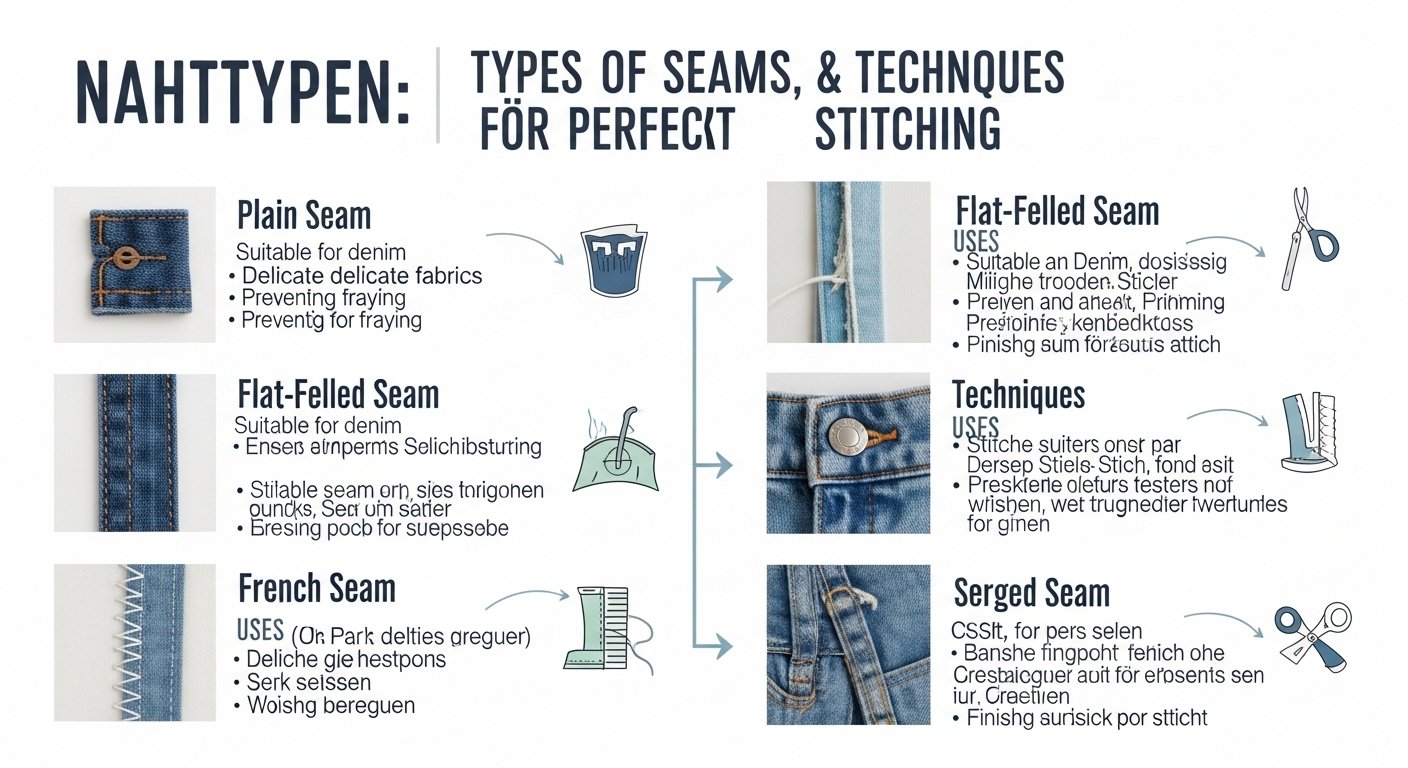
Sewing can feel like a magical art, transforming simple pieces of fabric into beautiful garments and home decor. However, the secret to achieving that professional look lies in mastering one crucial aspect: Nahttypen, or seams. Understanding different types of seams not only enhances your sewing skills but also elevates the quality of your projects.
From the straightforward straight seam to intricate French seams, each type has its unique purpose and technique. Whether you’re crafting a delicate dress or reinforcing sturdy upholstery, knowing which seam to choose makes all the difference. Ready to dive into this world of stitching possibilities? Let’s explore the various nahttypen that will take your creations from ordinary to extraordinary!
Straight Seam: Uses and Techniques
The straight seam is a fundamental stitch in sewing, known for its simplicity and versatility. It forms the backbone of many projects, making it essential for both beginners and seasoned sewists.
This type of seam is primarily used to join two pieces of fabric together along a straight line. It’s perfect for constructing garments like shirts, skirts, and pants. The clean finish it offers ensures neatness and durability.
To achieve a flawless straight seam, set your machine to the appropriate stitch length—usually between 2.5 to 3 mm works best. As you sew, keep an even pressure on the fabric while guiding it gently through the machine.
Pressing your seams open after sewing can provide additional structure and help with fitting adjustments later on. Simple yet effective techniques make this one of the most utilized nahttypen in any sewing toolkit.
French Seam: Uses and Techniques
The French seam is a favorite among those who appreciate clean finishes. It’s ideal for lightweight fabrics like chiffon and silk, where raw edges can easily fray.
To create a French seam, start by placing the fabric pieces with wrong sides together. Stitch a narrow seam—typically about 0.5 cm wide. This initial step secures the two layers while allowing you to trim any excess fabric smoothly.
Next, press the seam allowances toward one side before flipping the fabric so that right sides are facing each other. Sew along the same edge again but this time using a wider allowance of about 1 cm or more. The result? A beautifully enclosed seam that hides raw edges and adds durability.
This technique not only enhances aesthetics but also provides extra strength where it’s needed most, making it perfect for garments requiring delicate handling yet beautiful finishing touches.
Zigzag Seam: Uses and Techniques
The zigzag seam is a versatile choice in sewing that offers both functionality and flexibility. It’s commonly used for stretch fabrics, ensuring the seams move with the material rather than tearing.
To create a zigzag seam, set your sewing machine to a zigzag stitch. Adjust the width and length according to your fabric type. A wider stitch is ideal for thicker materials, while narrower stitches work well on lighter fabrics.
This seam also serves as an excellent finishing technique to prevent fraying along raw edges. By enclosing these edges within a zigzag stitch, you enhance durability without adding bulk.
Another creative application of the zigzag seam is decorative stitching. Experimenting with different thread colors can add visual interest to garments or craft projects. The possibilities are endless when it comes to personalizing your creations!
Overlock Seam: Uses and Techniques
The overlock seam is a go-to choice for anyone working with stretch fabrics. It’s designed to prevent fraying and unraveling, ensuring your garments stay intact through wear and washing.
To create an overlock seam, you’ll need an overlocker machine or serger. This specialized equipment trims the fabric edges while simultaneously stitching them together. The result? A clean finish that looks professional.
This type of seam is excellent for knitwear, activewear, and delicate materials like chiffon. Its elasticity makes it perfect for projects requiring movement and flexibility.
When sewing with an overlock seam, tension settings are crucial. Adjusting these correctly can make a big difference in how the fabric behaves once stitched.
Always practice on scrap fabric before diving into your main project. This will help you get comfortable with the technique and avoid any mishaps when it counts most!
Flat Felled Seam: Uses and Techniques
The flat felled seam is a popular choice for crafting durable and professional-looking garments. This technique involves folding one raw edge of fabric over the other, then stitching it down. The result is a clean finish that hides raw edges, preventing fraying.
Commonly used in denim jeans and shirts, this seam not only adds strength but also offers an aesthetic appeal. It creates a smooth surface on the outside while keeping everything tidy inside.
To create a flat felled seam, start with right sides together. Sew your first seam at 5/8 inch (or desired width), then trim one side’s allowance before folding and pressing it over the other to secure in place with another line of stitches.
This method may require practice, but mastering it can elevate your sewing projects significantly!
Other Types of Seams and Their Uses
Beyond the common seams, several other types cater to specific needs in sewing. The bias seam is particularly useful when working with curved edges. It allows for flexibility and a smooth finish on rounded hems.
Another interesting type is the lapped seam, often seen in denim or heavy fabrics. This technique overlaps two pieces of fabric, providing extra durability while adding a stylish detail to garments.
The mock flat-felled seam combines elements from both flat-felled and traditional seams. It’s great for lightweight fabrics where you want that strong finish without bulkiness.
There’s the bound seam which encases raw edges within binding material. This not only enhances aesthetics but also prevents fraying effectively, making it an excellent choice for unlined jackets and bags.
Each unique stitch offers distinct advantages tailored to various projects!
Tips for Choosing the Right Seam for Your Project
Choosing the right seam for your project can make all the difference. Consider the fabric type first. Lightweight materials benefit from delicate seams, while heavier fabrics require sturdier stitches.
Think about the garment’s purpose too. Will it see frequent movement? If yes, opt for more flexible seams like zigzag or overlock to allow stretch without compromising integrity.
Don’t forget aesthetics! Sometimes a seam serves both function and style. French seams are not only durable but also give a neat finish that elevates simple pieces.
Test on scraps before committing to your final piece. This way, you can assess how different seams interact with your chosen fabric and ensure you’re satisfied with the result.
Remember ease of construction. Some techniques may look appealing but could complicate your sewing process if you’re not familiar with them yet. Choose what matches your skill level as well as your vision!
Common Mistakes to Avoid When Sewing Seams
One common mistake is not pre-washing fabric. Fabric can shrink or change texture after the first wash, leading to uneven seams.
Another frequent error is using the wrong tension on your sewing machine. This can cause stitches to pucker or break easily during use.
Failing to pin properly also creates issues. Skipping this step may result in misaligned edges, especially with slippery fabrics.
Cutting corners on seam allowances is yet another pitfall. Always stick to recommended measurements for strong and durable seams.
Ignoring the type of needle can lead to frustration. Using a universal needle for all fabrics isn’t effective; choose one that suits your material for smoother stitching.
Conclusion
Understanding the different Nahttypen, or types of seams, is essential for any sewing enthusiast. Each seam type has its unique characteristics and applications that can enhance your projects significantly. By mastering straight seams, French seams, zigzag seams, overlock seams, flat felled seams, and other variations, you open up a world of possibilities in garment construction and fabric manipulation.
Choosing the right seam technique will not only improve the durability of your creations but also elevate their aesthetic appeal. With practice and attention to detail, you’ll avoid common pitfalls that often lead to frustration during sewing. So whether you’re working on delicate fabrics or sturdy materials, knowing how to select and execute various seam types will empower you as a sewist.
Embarking on this journey with an awareness of Nahttypen ensures that each piece you create reflects both skill and thoughtfulness in every stitch. Happy sewing!