The best time to visit Yellowstone depends almost entirely on what you want from your trip. Summer offers the most access and the most visitors. Late spring and early fall offer a quieter experience with fewer trade-offs than many travelers expect. Winter transforms the park into something genuinely different — extraordinary, but requiring a different approach entirely.
There is no single correct answer that works for every traveler. What follows is a practical, season-by-season breakdown to help you match your priorities — weather, wildlife, hiking, crowds, road access, or simply having a great experience — to the right time of year.
For a broader overview of planning your visit, including entrance fees, accommodation options, and major attractions, see our complete Yellowstone National Park travel guide.
What Is the Best Month to Visit Yellowstone?
June and September are often cited as the strongest months for a balanced Yellowstone experience, and there are good reasons for that. Both sit outside the peak of summer crowds, while still offering reasonable road access, comfortable temperatures for most visitors, and strong wildlife activity.
That said, “best” varies by traveler. July and August deliver the most reliable full access to roads and facilities but also bring the heaviest crowds. May offers quieter conditions but with some roads still closed. October begins to feel like shoulder-to-winter transition, with services closing and temperatures dropping.
According to the National Park Service, Yellowstone sees its highest visitor numbers during the summer months, particularly July and August. The NPS Seasons page provides a useful general overview of what each season brings in terms of access and conditions.
The right month for you is the one that aligns with your priorities — not necessarily the most popular one.
Yellowstone in Spring
Months: March through May (shoulder into early season)
Spring in Yellowstone is a season of transitions, and that unpredictability is both its appeal and its challenge.
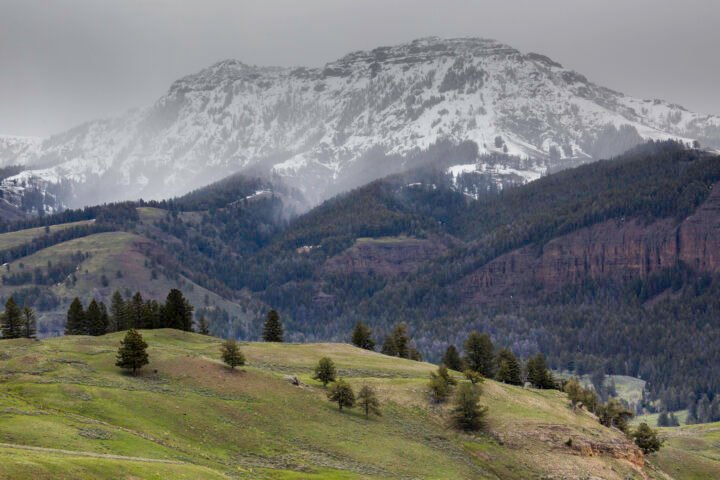
Weather: Spring temperatures at Yellowstone vary widely. Snow is common through April and possible into May at higher elevations. Daytime temperatures in May can reach into the 50s°F in lower areas, but nights remain cold. Layering is essential.
Wildlife: Spring is one of the most rewarding times for wildlife. Bison calves, wolf pups, and bear cubs begin appearing. Grizzly bears emerge from hibernation in spring, and predator-prey activity can be highly visible in areas like Lamar Valley.
Road Access: This is the most significant variable in spring. Most interior park roads are closed through winter and reopen gradually in spring — typically beginning in mid-to-late April, with higher-elevation roads opening later. Opening dates vary each year based on snowpack and road conditions. Travelers should check the NPS operating dates page for current-year information before finalizing any spring itinerary.
Facilities: Some lodges, campgrounds, and visitor services open earlier in the season than others. Not all facilities are operational in early spring.
Hiking: Lower-elevation trails may become accessible in May, but snowpack on higher-elevation routes can persist well into June. Current trail conditions should be checked before planning any specific hike.
Advantages: Fewer crowds than summer; newborn wildlife; dramatic snowmelt waterfalls; a sense of the park waking up.
Disadvantages: Unpredictable weather; limited road access in early spring; some facilities not yet open; snow possible at any time.
Yellowstone in Summer
Months: June through August
Summer is when Yellowstone operates at full capacity — and when visitor numbers reflect that.
June: Early June can still have some higher-elevation roads opening, but by mid-to-late June the park is largely accessible. Crowds are building but have not yet reached peak levels. Wildflowers are at their best, and wildlife remains active. June is often cited as one of the more pleasant months for a first visit.
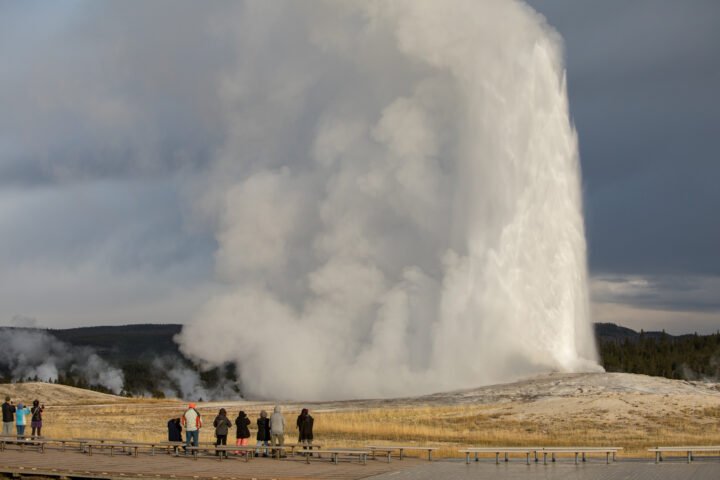
July and August: The full peak season. All major roads and facilities are typically open, ranger programs are running, and the park is operating at maximum capacity. Popular areas like Old Faithful, Grand Prismatic Spring, and Mammoth Hot Springs can be very crowded during midday hours. Arriving early in the morning at popular sites makes a significant difference.
Weather: Summer daytime temperatures typically range from the mid-60s to mid-70s°F in lower elevations, though the park’s high elevation means evenings cool considerably even in July. Afternoon thunderstorms are common throughout summer. Rain gear is useful even on days that start sunny.
Wildlife: Large mammals remain visible throughout summer, though some animals move to higher elevations as temperatures rise. Lamar Valley continues to offer wolf and bear sightings for early morning visitors.
Hiking: Summer offers the widest window of accessible trails, including higher-elevation routes that remain snowbound in spring. Trail conditions generally peak in July and August.
Facilities: All lodges, campgrounds, visitor centers, and services are typically operational during peak summer.
Advantages: Maximum road access; all facilities open; long daylight hours; warm temperatures; widest range of activities.
Disadvantages: Heaviest crowds; accommodation books out far in advance; midday congestion at major attractions; higher prices in gateway towns.
Yellowstone in Fall
Months: September through November
Fall is genuinely one of the most rewarding periods to visit Yellowstone for those who can plan around it.
September: This is the sweet spot for many experienced Yellowstone visitors. Crowds drop noticeably after Labor Day, temperatures are comfortable, and wildlife activity increases. Elk rut begins in September, with bugling bulls and visible herd dynamics across the northern range. Bison are also active, and the light takes on the warm quality that photographers seek. Most major roads and facilities are still open in September.
October: Conditions shift more quickly in October. Some lodges and visitor services begin closing. Temperatures drop, and snow becomes increasingly likely, especially later in the month. Road closures begin as the season transitions toward winter. That said, early October can still be an appealing time for visitors who are prepared for cold and understand that some services will be reduced.
November: By November, most interior roads are closed to wheeled vehicles and the park transitions fully to winter operations. Very few visitor facilities remain open.
Wildlife: Fall offers some of the best wildlife viewing of the year. The elk rut is the most dramatic natural event in the park calendar, and bears are highly active as they prepare for winter. Wolves become more visible as prey animals move down from higher elevations.
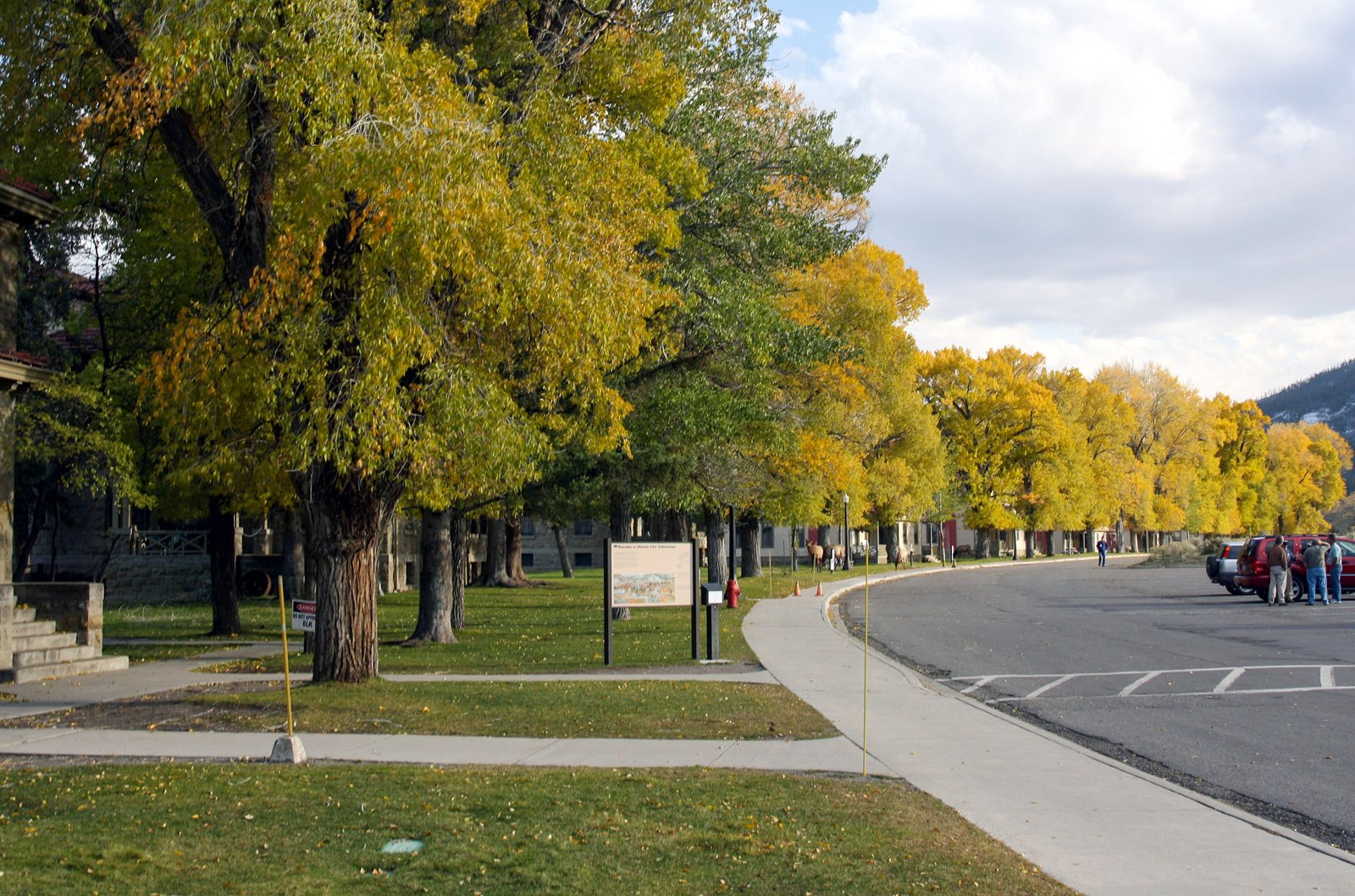
Fall Colors: Aspen groves turn golden in late September and early October, adding visual interest to the landscape across the northern range and other areas.
Advantages: Reduced crowds; elk rut; strong wildlife activity; fall colors; comfortable September temperatures.
Disadvantages: Some services close in October; snow can affect plans; days shorten significantly; some roads may close ahead of schedule based on conditions.
Check the NPS Seasons page for general fall access information, and verify current-year operating dates before any fall trip.
Yellowstone in Winter
Months: December through February (winter operations typically November/December through April)
Yellowstone in winter is a fundamentally different experience from any other season — visually dramatic, but requiring a very different approach.
Access: Most interior park roads are closed to wheeled vehicles from November through late April. Travel inside the park during winter is primarily by guided snowcoach or snowmobile. The road between Gardiner and Mammoth Hot Springs remains open to wheeled vehicles year-round, but this is the exception rather than the rule.
Weather: Temperatures can drop well below 0°F at night, and even daytime highs are often below freezing. Visitors must come prepared for genuine cold-weather conditions.
Wildlife: Winter can offer exceptional wildlife viewing. Bison are regularly seen near roads and thermal areas where geysers keep the ground snow-free. Wolves and coyotes are active and more visible against the snow. The contrast between the thermal steam rising from hot springs and the surrounding snow creates a dramatically atmospheric environment.
Facilities: Winter services are limited. Lodging options inside the park are reduced significantly. Visitors should check what is available during specific winter dates through the NPS operating dates page.
Visitor Levels: Winter is the quietest period in the park by a substantial margin, though guided access requirements mean independent exploration is more limited.
Advantages: Dramatic scenery; far fewer visitors; unique wildlife viewing; thermal features against snow; a genuinely different experience.
Disadvantages: Extreme cold; limited access without guided transportation; reduced services; higher cost for guided winter tours; requires significantly more planning.
Best Time to Visit Yellowstone for Good Weather
If reliable warmth and stable conditions are the priority, July and August offer the most consistently mild daytime temperatures. That said, no month in Yellowstone guarantees predictable weather.
Afternoon thunderstorms are frequent in summer. Snow can fall in any month at higher elevations — this is not an exaggeration. June can bring unexpected cold snaps, and September can still have warm stretches.
The practical approach is to dress in layers regardless of the season, check the forecast each morning, and carry rain gear even on days that look sunny. Weather in Yellowstone rewards preparation over assumption.
Best Time to Visit Yellowstone for Fewer Crowds
The clearest windows for avoiding peak crowds are:
- Late May to mid-June: Visitor numbers are lower than peak summer, roads are mostly open, and wildlife is excellent.
- September after Labor Day: A significant drop in visitors while conditions remain strong for wildlife and hiking.
- Winter: The quietest season by far, though access constraints limit independent travel.
According to the NPS, summer — particularly July and August — is the busiest period. Travelers who can shift their visit to late June or September will notice a meaningful difference in congestion at popular sites.
Best Time to Visit Yellowstone for Wildlife
Yellowstone offers wildlife viewing year-round, but certain seasons are particularly strong:
- Spring: Newborn animals; bears emerging from hibernation; wolves active with pups; excellent predator activity.
- Summer: All species present; large bison herds; young animals growing. Early mornings are best in summer as heat builds during the day.
- Fall: Elk rut (September); bears foraging intensively; wolves following prey; bison active across the northern range.
- Winter: Excellent wolf and bison visibility against snow; thermal areas attract wildlife; wolves are particularly visible.
Wildlife viewing is never guaranteed regardless of season. Patience, early starts, and good binoculars make a significant difference. The NPS recommends maintaining safe distances from all wildlife — at least 100 yards from bears and wolves, 25 yards from other animals — at all times.
Best Time to Visit Yellowstone for Hiking
Most of Yellowstone’s trails are most accessible between June and September, when snow has cleared from the majority of routes and weather is most stable.
- June: Lower-elevation trails open; higher routes may still have snow. Trail conditions improve as the month progresses.
- July–August: The widest window of accessible trails, including higher-elevation routes like Mount Washburn (when open). Best overall for hiking variety.
- September: Trails generally remain accessible; cooler temperatures are comfortable for hiking; fewer other hikers.
- Spring and late fall: Many trails are snow-covered or muddy. Check current conditions carefully before planning.
- Winter: Backcountry skiing and snowshoeing are possible for experienced visitors, but standard trails are snow-covered.
Always check current trail conditions before heading out. The NPS Plan Your Visit page is a useful starting point for current information.
Best Time to Visit Yellowstone for Scenic Drives
Scenic drives inside Yellowstone are directly tied to road access, which is seasonal.
The Grand Loop Road and most interior routes are typically fully open from late May or early June through early November, depending on conditions. Some roads open earlier or close later; others are subject to seasonal one-way restrictions.
For travelers whose primary interest is scenic driving, summer offers the most reliable full access. Late September drives through the northern range combine fall colors and active wildlife with substantially reduced traffic.
Because road opening and closing dates vary each year, always check current-year access information on the NPS operating dates page before planning a drive-focused visit.
Best Time to Visit Yellowstone for Families
Families with children most often visit during summer — July in particular — for good practical reasons: school schedules align, all park facilities and ranger programs are operational, weather is warmest, and the full range of activities is available.
That said, summer also means peak crowds, which can make popular stops feel congested. Families willing to visit in June or September will find much of the same access with noticeably fewer people at major sites.
Winter is possible for families with older children who are experienced with cold-weather travel and comfortable with guided access, but it is a more demanding trip to plan and execute.
Regardless of season, the NPS Junior Ranger program is available to younger visitors and provides a structured way for children to engage with the park.
Yellowstone Month-by-Month Overview
| Month | Typical Conditions | Access Considerations | What Travelers May Enjoy |
|---|---|---|---|
| January | Very cold; heavy snow | Most roads closed to wheeled vehicles; guided winter access only | Thermal features in snow; wolves; low visitor numbers |
| February | Very cold | Same as January | Wildlife; quiet; dramatic winter scenery |
| March | Cold; snow likely | Winter operations continue; limited road access | Early spring wildlife activity begins |
| April | Cold to cool; variable | Roads begin opening gradually; check current dates | Bears emerging; early wildlife activity |
| May | Cool to mild; snow possible | Most roads opening; some higher routes still closed | Newborn wildlife; wildflowers; fewer crowds |
| June | Mild; afternoon storms | Most roads open by mid-to-late June | Wildlife; wildflowers; relatively fewer crowds than July |
| July | Warm days; cool nights; afternoon storms | Full access typical; peak visitor season | All attractions accessible; hiking; long days |
| August | Similar to July | Full access; crowds remain high | Full access; summer activities; late-season wildflowers |
| September | Cooling; crisp mornings | Most roads and facilities open; some close late month | Elk rut; fall colors; fewer crowds; excellent wildlife |
| October | Cool to cold; snow possible | Road and facility closures begin; check current dates | Fall colors; wildlife; quieter than summer |
| November | Cold; snow likely | Most roads closing for winter | Winter operations beginning; very few visitors |
| December | Cold; winter conditions | Winter access only | Thermal features; wolves; quiet visit |
Conditions vary each year. Always verify current road and facility access through the NPS operating dates page before traveling.
So, When Should You Visit Yellowstone?
Choose summer (July–August) if:
- You want maximum road access and all facilities open
- You are traveling with children and need reliable services
- Warmth and long days are priorities
- You are comfortable with crowds and have booked accommodation well in advance
Choose late spring (late May–June) if:
- Newborn wildlife and wildflowers appeal to you
- You want fewer crowds than peak summer
- You are flexible about which roads and facilities are fully open
- You do not mind variable and occasionally cold weather
Choose early fall (September–early October) if:
- Elk rut and active wildlife are a priority
- You prefer fewer crowds than summer
- Fall colors appeal to you
- You are comfortable with some services closing as October progresses
Choose winter (December–March) if:
- You want a dramatically different and quieter experience
- Wildlife watching in snow landscapes appeals to you
- You are prepared for cold temperatures and guided-access requirements
- You have more flexibility in planning than a standard summer trip requires
No season is objectively superior. The right answer depends on your priorities.
Tips Before Booking Your Yellowstone Trip
- Verify current operating dates. Road and facility opening dates change year to year. The NPS operating dates page is the definitive current-year source.
- Check road conditions before and during your trip. Roads can close temporarily due to weather or wildlife management at any time of year.
- Plan accommodation early. Lodging inside the park sells out well in advance for summer months. Gateway towns also fill quickly. For winter, confirm what is actually available during your specific dates.
- Build flexibility into your itinerary. Weather, wildlife jams, and seasonal delays can affect daily plans. A rigid schedule works against you in Yellowstone.
- Understand seasonal access differences. Some sections of the park that are easy to reach in summer require guided access or are completely inaccessible in winter.
- Check current weather forecasts each morning. Pack for the forecast, but also carry layers and rain gear regardless of what is predicted.
- Follow all park safety and wildlife rules. These apply year-round and do not vary by season.
The NPS Plan Your Visit page is the best general starting point for current planning across all seasons.
Frequently Asked Questions
What is the best month to visit Yellowstone?
June and September are widely considered the best balance of access, wildlife activity, and manageable crowds. July and August offer maximum access but the heaviest visitor numbers. The best month ultimately depends on your priorities.
Is summer too crowded in Yellowstone?
Peak summer — particularly July and August — brings the highest visitor numbers. Popular sites like Old Faithful and Grand Prismatic Spring can feel very busy during midday. Visiting early in the morning and being flexible about timing helps considerably. If crowds are a concern, June or September offer similar access with meaningfully fewer visitors.
Is September a good time to visit Yellowstone?
September is one of the strongest months for a Yellowstone visit. The elk rut is underway, wildlife is highly active, crowds drop after Labor Day, and conditions remain pleasant for hiking and scenic drives. Some services begin closing later in the month, so checking current operating information is important.
Can you visit Yellowstone in winter?
Yes, but winter access works differently. Most interior roads are closed to private wheeled vehicles, and travel inside the park requires guided snowcoach or snowmobile access. Services are limited, temperatures are extreme, and planning requirements are greater. The experience — thermal features in snow, active wolves, quiet surroundings — is genuinely rewarding for the right traveler.
When is Yellowstone best for wildlife?
Spring and fall offer some of the most dramatic wildlife activity. Spring brings newborn animals and bears emerging from hibernation. Fall brings the elk rut and intensively foraging bears. Winter offers excellent wolf and bison visibility. Summer provides consistent sightings but peak activity is generally in early morning and evening.
When is Yellowstone best for hiking?
July and August offer the widest range of accessible trails, including higher-elevation routes. June and September are also strong for hiking with slightly cooler temperatures. Spring hiking is possible at lower elevations but limited by snowpack on higher routes. Always check current trail conditions before heading out.
When do Yellowstone roads open?
Road opening dates vary each year depending on winter conditions and snowpack. The process typically begins in mid-to-late April, with some roads opening in May and higher-elevation routes potentially not opening until late May or early June. The NPS operating dates page publishes current-year opening schedules.
How does the season affect where you can go in the park?
Significantly. In winter, most interior roads are closed to wheeled vehicles and large portions of the park are accessible only via guided winter transport. In spring, roads open gradually and some areas may remain inaccessible until late May or June. Summer offers the broadest access. Fall sees roads and facilities begin closing from October onward. Planning your itinerary around confirmed access for your specific travel dates is essential.
Travel information can change. Park rules, road conditions, operating dates, weather, entrance fees, permits, and availability may change over time. Always verify important details with the relevant official source before traveling.