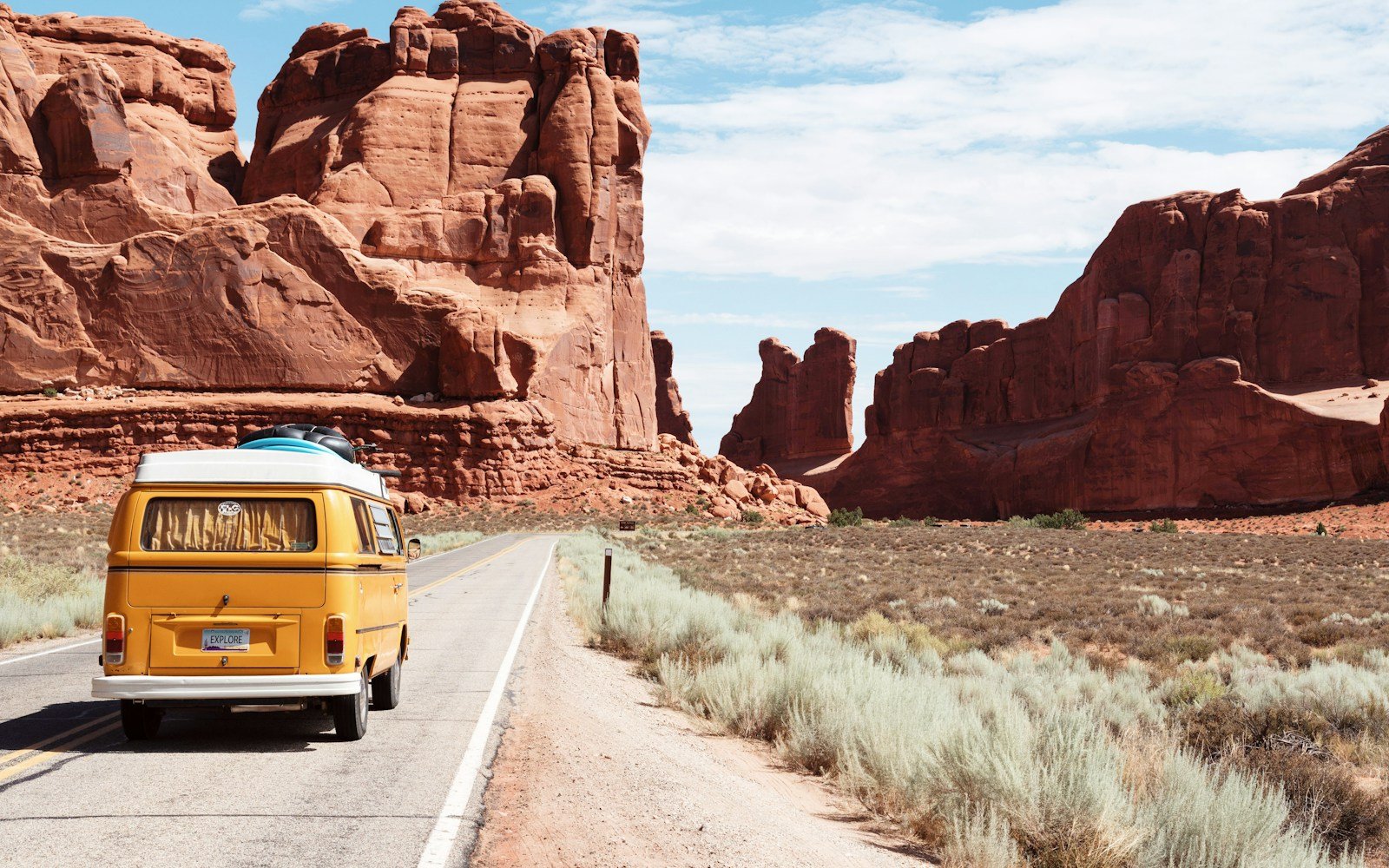
A comprehensive mountain road trip requires a layered packing discipline divided into vehicle mechanical readiness, offline navigation hardware, sub-alpine weather apparel, and backcountry medical self-reliance. High-altitude mountain passes subject vehicles and bodies to rapid atmospheric pressure drops, sudden freezing precipitation, and cellular dead zones requiring fully autonomous preparation.
Trip Briefing & Field Notes
Backcountry Passes, Forest Roads & Alpine Highways
3 to 5 Days
All-Season Mountain Dispatch
Wilderness Stargazer Geodesic Suite
When your vehicle crosses above the subalpine timberline at 2,000 meters, the margin for logistical error contracts rapidly. What began as a mild twenty-degree afternoon in the valley can transform within forty minutes into a sleet-swept mountain col with howling winds and black ice. Preparedness in the mountains is not about packing more gear; it is about selecting precise, multi-functional tools engineered for high-altitude autonomy.
Whether scouting gravel passes in the Rockies, switchbacks in the Alps, or single-track corridors in the Scottish Highlands, self-reliance begins long before turning the ignition key. Understanding the physical demands of backcountry terrain requires aligning your setup with official safety guidelines established by the US Forest Service Backcountry Driving Safety Division.
Vehicle Mechanical Readiness & High-Altitude Physics
Internal combustion engines and vehicle braking systems operate under severe physiological stress in high-elevation corridors. For every 1,000 meters of elevation gained, atmospheric pressure drops, reducing available oxygen by roughly 10 percent and reducing naturally aspirated engine horsepower accordingly.
Before ascending into high mountain corridors, inspect these critical mechanical systems:
- Brake Fluid Boiling Point: Brake fluid absorbs moisture over time through rubber hoses. Old fluid with high moisture content can boil at just 150 degrees Celsius during prolonged downhill engine braking, resulting in sudden, total pedal loss. Flush brake fluid every two years.
- Tire Pressure & Cold Inflation: Atmospheric pressure changes alter tire gauge readings. Cold inflation pressures should be measured in the morning before driving; inspect sidewalls for rock gouges or bulges before hitting remote gravel passes.
- Coolant Chemistry & Thermostats: Engine cooling systems operate under higher internal pressure at altitude to prevent boiling. Ensure your coolant is mixed 50/50 with distilled water and anti-freeze rated down to minus 30 degrees.

The Alpine Layering System: Base, Mid & Shell
Mountain road trippers frequently make the mistake of relying on heavy, bulky parkas that cause overheating during uphill roadside hikes, leading to dangerous sweat saturation. The gold standard of mountain apparel is the three-part technical layering system:
- Base Layer (Moisture Regulation): 200 g/m² merino wool or hydrophobic polyester next to the skin. Merino absorbs vapor without feeling damp, resists odors over multi-day journeys, and regulates body temperature.
- Mid Layer (Thermal Insulation): High-loft fleece or 800-fill-power hydrophobic down jacket. Traps warm air while allowing moisture vapor to escape outward.
- Outer Shell (Weather Protection): 3-layer Gore-Tex or equivalent waterproof-breathable membrane with fully taped seams and pit ventilation zips to block gale-force winds and driving alpine rain.
Field Advisory
Satellite SOS vs Cellular Navigation
The Essential Mountain Road Trip Packing Matrix
The following checklist categorizes equipment by critical mission profile for self-reliant travel:
| Gear Category | Essential Equipment Item | Key Technical Specification | Field Utility Note |
|---|---|---|---|
| Vehicle Recovery | Traction Boards | High-impact UV-stabilized polypropylene | Self-recovery in mud, snow, or loose volcanic scree |
| Vehicle Recovery | 12V Tire Inflator | Direct battery clamp, 150 PSI rating | Airing down on gravel passes and airing up on tarmac |
| Emergency Power | Lithium Jump Starter Pack | 2,000 Peak Amps, USB-C PD output | Starts dead vehicle battery without a second car |
| Navigation | Two-Way Satellite Messenger | Iridium network, global coverage, IPX7 | Emergency SOS and check-ins outside cell range |
| Medical | Trauma & Wilderness First Aid Kit | Tourniquet, sterile gauze, SAM splint, blister pads | Treatment of lacerations, sprains, and burns |
| Thermal Survival | Mylar Reflective Space Bivvy | 90% body heat reflection, windproof seam | Critical survival insulation during vehicle disablement |
Emergency Preparedness & Mountain Meteorology
Mountain weather is inherently capricious. High-elevation valleys generate their own localized microclimates that can deviate dramatically from regional city forecasts. For scientific weather data and radar monitoring of alpine convective storms, consult the resources of the National Oceanic and Atmospheric Administration (NOAA).
If your vehicle becomes stranded in a remote pass during a mountain snowstorm, stay inside the vehicle. The vehicle provides shelter from wind chill and creates a recognizable target for search and rescue crews. Clear snow from your exhaust tailpipe periodically to prevent carbon monoxide poisoning while running the engine for heat. For comprehensive automotive disaster survival protocols, review the directives published by the American Red Cross Vehicle Emergency Preparedness Guide.

The Alpinist Geodesic Basecamp
$240 / night
Packing Ergonomics: Weight Distribution & Vehicle Balance
How you pack your vehicle matters almost as much as what you pack. Heavy recovery gear, toolboxes, and water containers should be positioned as low and as centrally as possible between the front and rear axles to preserve a low center of gravity. Stashing heavy gear on a high roof rack increases vehicle body roll on tight mountain switchbacks and compromises rollover resistance.
Pack emergency medical gear, warm gloves, headlamps, and satellite communicators inside the passenger cabin where they can be reached in seconds without stepping out into freezing weather. With disciplined preparation and respect for mountain environments, every high-altitude road trip transforms into a safe, exhilarating masterclass in exploration.
Continue planning your journey with our companion mountain pass dossiers, geodesic lodging inspections, and packing blueprints:
-
Blue Ridge Parkway Guide →
Milepost-by-milepost scenic driving across the southern Appalachians. -
Dolomites Great Alpine Road →
Technical alpine driving and hairpin pass navigation in northern Italy. -
Iceland Ring Road Route 1 →
Subarctic overland beltway driving and weather management.